



Finding it hard to stay focused on one task? A simple timer can make studying and working feel more manageable. The Pomodoro technique is a popular way to divide your time into focused work sessions and short breaks. You do not need a complicated system: choose one task, set a timer, and give that task your attention until the session ends.
What is the Pomodoro technique?
The Pomodoro technique is a time-management method built around focused intervals separated by breaks. A common starting point is 25 minutes of work followed by a 5-minute break. After several rounds, you can take a longer break. The exact schedule is flexible, so adjust it to the task, your energy, and your own attention span.

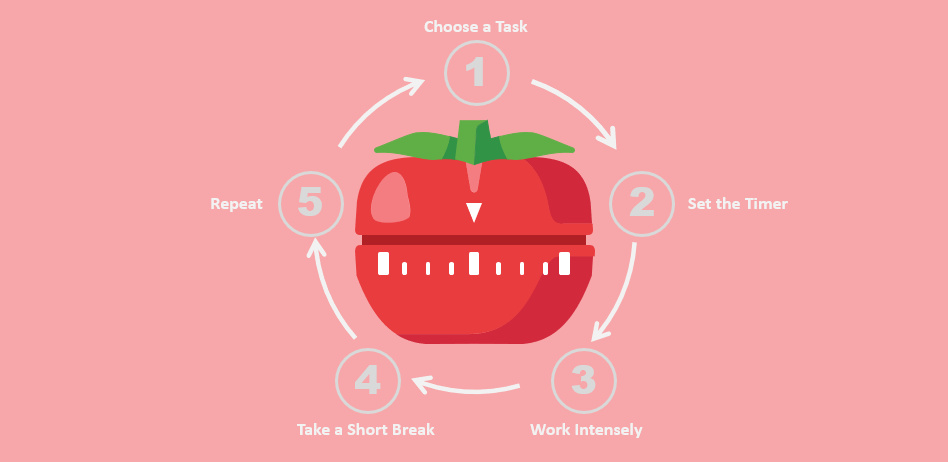
How to use a 25-minute Pomodoro timer
- Choose one specific task. Instead of writing “study,” choose something measurable, such as reviewing one chapter or completing five practice questions.
- Remove distractions. Silence non-essential notifications, close unrelated tabs, and keep the materials you need nearby.
- Start a 25-minute session. Open the TimerNest Pomodoro Focus Timer and begin. Work on your chosen task until the timer ends, noting unrelated thoughts to revisit later.
- Take a short break. Stand up, stretch, drink water, or look away from your screen. Try not to replace focused work with another demanding screen activity.
- Repeat and review. After a few sessions, take a longer break if you need one. Note what you completed and choose the next task.
Why timed focus sessions can help
- A clear starting point: committing to one short session can feel easier than facing a large task all at once.
- Fewer task switches: a defined work interval gives you a reason to postpone distractions until the break.
- Planned rest: breaks are part of the schedule rather than something you only take when exhausted.
- Visible progress: completed sessions can help you estimate how much focused time different tasks require.
A timer is a structure, not a guarantee of productivity. If 25 minutes feels too long, begin with 10 or 15 minutes. For complex work, you may prefer longer sessions. The useful interval is the one that helps you work consistently without ignoring your need for rest.
Tips for better Pomodoro sessions
Define success before you start
Decide what you want to finish during the interval. A concrete target makes it easier to return to the task after a distraction and to see whether your plan was realistic.
Keep a distraction list
If you remember an unrelated errand or question, write it down and return to your current task. Review the list during your break instead of switching tasks immediately.
Use breaks to reset
Move around, stretch, refill your water, or rest your eyes. If you are tired, adjust the number of sessions and take a longer break rather than forcing yourself through repeated intervals.
Adapt the method
Some tasks need uninterrupted time, while others fit short bursts. Treat the 25-minute format as a starting point, not a strict rule. Students can also use the online Study Timer to plan revision blocks, and anyone who needs a flexible countdown can use the Countdown Timer.
Frequently asked questions
Is 25 minutes the ideal focus-session length?
Not for everyone. Twenty-five minutes is a useful starting point, but shorter or longer sessions may work better depending on the task and your concentration.
What should I do during a Pomodoro break?
Choose a short restorative activity, such as stretching, walking, drinking water, or resting your eyes. Return to the next session when you are ready.
Can I use a Pomodoro timer for work as well as studying?
Yes. It can help structure writing, reading, planning, revision, and many other tasks. For meetings or work that cannot be interrupted, choose an interval that fits your schedule.
Start with one focused session
You do not have to redesign your whole routine to get started. Pick one task, set a manageable interval, and take a proper break afterward. Try the free Pomodoro Focus Timer, or return to the TimerNest homepage to explore the available timer tools.